
If they get angry or belligerent while drunk, they may not remember they were acting that way – or even believe it if told by someone else. If you’re worried that you might be the angry drunk in your particular circle of friends, here are a few warning signs to look out for. Aggression is promoted both by the cognitive deficits arising in connection with acute or chronic alcohol use and by prior experience of violence in particular situations where alcohol was drunk. On the other hand, alcohol abuse and dependence together constitute the second most commonly diagnosed cause of suicide (15–43%). Gene–environment interactions affecting the serotonergic and other neurotransmitter systems play an important role.
- But at the end of the day, you still lean on alcohol to complete what feels like a “normal” day to you.
- Expectations and cultural beliefs about alcohol’s effects on behavior can also influence how people act when drunk.
- It helps you recognize when you’re drinking out of anger versus genuine enjoyment, which is a key step in changing your habits for good.
- If someone you know becomes angry when drinking, you can talk to them once they’ve sobered up.
- Maybe he gets loud, or maybe she starts fights with strangers for looking at her funny.
Why People Get Mean When They’re Drunk
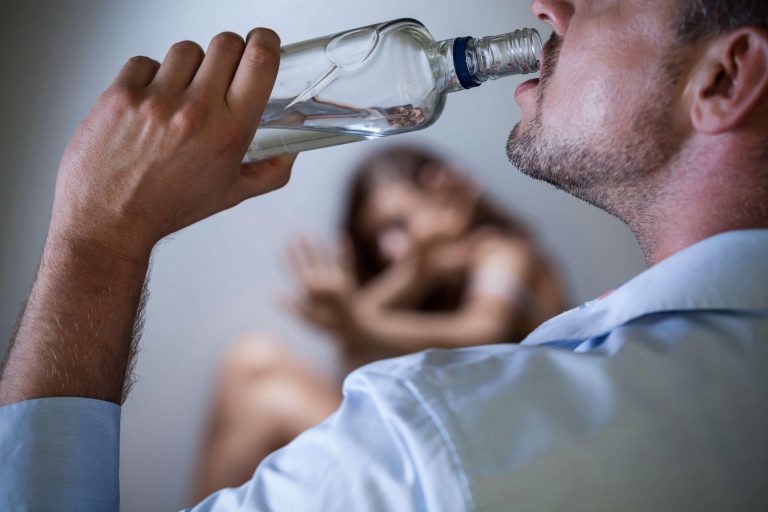
The study found that participants who had a certain genetic mutation called HTR2B Q20 were more likely to act out aggressively, lash out at others, and become mean when they drink. Although this study was eye-opening, researchers still do not know everything about how genes can influence the way that people react to alcohol. Being around an angry or belligerent person can be painful, difficult, and scary. Problematic drinking behaviors may even lead to events of domestic or intimate partner violence. The phenomenon of the angry drunk is not just a trope in movies or TV shows; it’s a real and concerning issue that affects countless individuals and their loved ones.
LOVED ONES AS SAFE TARGETS
You don’t even have to quit drinking completely or identify as an alcoholic to join. Finnish researchers have found a gene mutation in the serotonin 2B receptor linked to reckless behavior under the influence of alcohol. People with this gene are also more likely to be impulsive when sober, and more likely to suffer from mood disorders. Insecurity is a significant emotional conflict along with unresolved traumas or conflicts and why do people get angry when drunk unexpressed feelings or emotions leading to poor communication when drunk, saying hurtful things.
Genetics and Impulsive Behavior
The actual answer to the question of which comes first, unfortunately, isn’t known for sure. With that in mind, scientific studies of how alcohol impacts the brain shows that excessive alcohol intake stirs up rage in some individuals. These https://ecosoberhouse.com/ alcoholic rage symptoms cause people to become violent and aggressive, even when the outlet is someone they seem to love or care about. Have family members or others mentioned concerns about your alcohol consumption? Did you recently experience an incident that stemmed from your alcohol-related aggression? These situations likely spark emotions when you think about them — perhaps you feel embarrassed or ashamed.

This may explain why they are angry more often and act more aggressively than someone who does not have this personality trait. An earlier study found that alcohol use enhanced aggression primarily among individuals who showed a heightened disposition for such behavior (Eckhardt and Crane, 2008). They were directed to engage in a task with the potential to trigger aggressive verbalizations, with those who consumed alcohol showing significantly more such behavior. Identifying those factors that might contribute to heightened anger when consuming alcohol is important for individuals who have anger issues and those who treat them.
- That kind of bargaining is a telltale sign of a problem drinker and alcoholic.
- In most cases, women are at a higher risk of experiencing alcohol-related domestic violence from male partners.
- Alcohol can fuel rage or aggressive behaviors even when a person isn’t intoxicated.
Binge drinking in a setting with others who are also intoxicated can lead to competitive or confrontational situations. Peer pressure and social norms can sometimes encourage aggressive behavior. As well as being linked to aggression (and making it more likely you could be on the receiving end), binge drinking harms your physical and mental health. One way to have a bit less is to alternate alcoholic drinks with a soft drink or water. Alcohol affects the prefrontal cortex of the brain, the region that moderates things like decision-making.
Breaking the Cycle: How To Stop Being Aggressive When Drunk
Everyone has a unique personality, but specific traits will make an individual more aggressive and angry when consuming liquor. When someone is already irritable or angry, they are likely prone to anger and fighting when drinking. Unfortunately, many men feel ashamed to reveal an abusive situation with a partner, instead brushing it off as a simple matter based on alcohol abuse. Regardless of the fact you’re the male in the relationship doesn’t mean you need to withstand unhealthy behavior. Why do drunk people actively want to fight with their loved ones, say hurtful things, and cause problems when in an inebriated state?
In the view of an alcoholic, nothing matters more than where they are getting their next drink. The following fix will remain the most essential thing in their life until they enter recovery because their body quite literally needs the substance for them to function. Alcohol also messes with our brain’s neurotransmitters, the chemical messengers that help regulate our mood. It boosts the effects of GABA, a neurotransmitter that typically calms us down, while simultaneously decreasing the activity of glutamate, which usually excites marijuana addiction our brain. This imbalance can lead to mood swings and heightened emotional responses. It’s defined by the Diagnostic and Statistical Manual of Mental Disorders, 5th edition, text revision (DSM-5-TR), as a problematic pattern of alcohol use that leads to significant impairment or distress.
The two studies shed light on why some individuals get mean when they drink — a mix of personality, science and social context. First, certain neurotransmitter receptors can make people feel more relaxed or sedated, which signals the release of increased levels of the chemical dopamine. With an influx of dopamine, the brain’s reward center becomes activated, making people more open to doing things that they might not do when sober. While not all individuals acting up at a bar have that particular gene mutation, this biological response could explain their impulsive behavior as well. Many people who overindulge in alcohol, abuse alcohol or suffer from alcoholism feel it’s an excuse for poor behavior.
From comedic depictions in movies like “Bridesmaids” to more serious portrayals in dramas, these representations can influence how we view and respond to drunk crying in real life. It’s important to remember that these portrayals often exaggerate or simplify complex emotional experiences for dramatic effect. In some cultures, public displays of emotion, especially when facilitated by alcohol, are more accepted and even expected. This is seen as a way of building trust and strengthening relationships. The reduction of activity in these brain regions may reflect a decrease in self-awareness and an increased bias toward hostile cues in the environment, resulting in more aggression.
But this is often easier said than done, and mean drunks can turn violent when provoked, meaning that if you share a living space with one, your safety should be your main priority. Extreme happiness, or euphoria, is another common experience during drinking. As a positive, unalarming emotion and one that others are used to seeing, however, happiness isn’t on the radar as much as anger. By Buddy TBuddy T is a writer and founding member of the Online Al-Anon Outreach Committee with decades of experience writing about alcoholism.